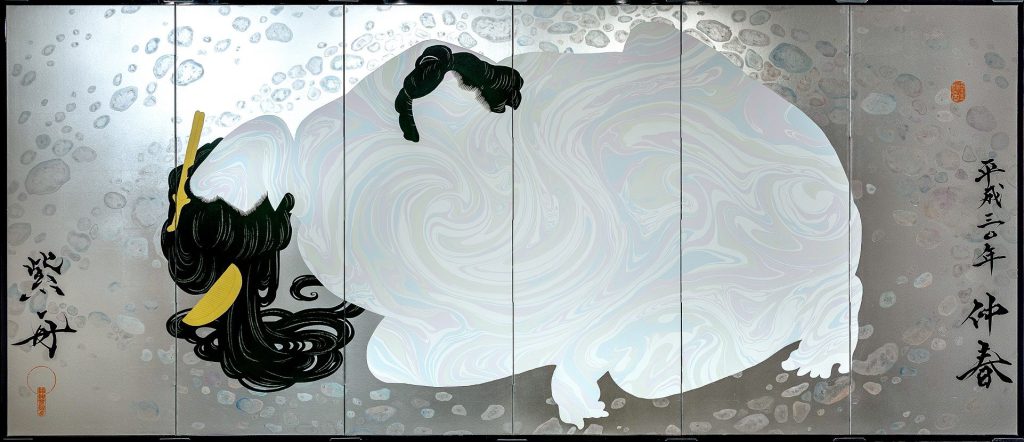
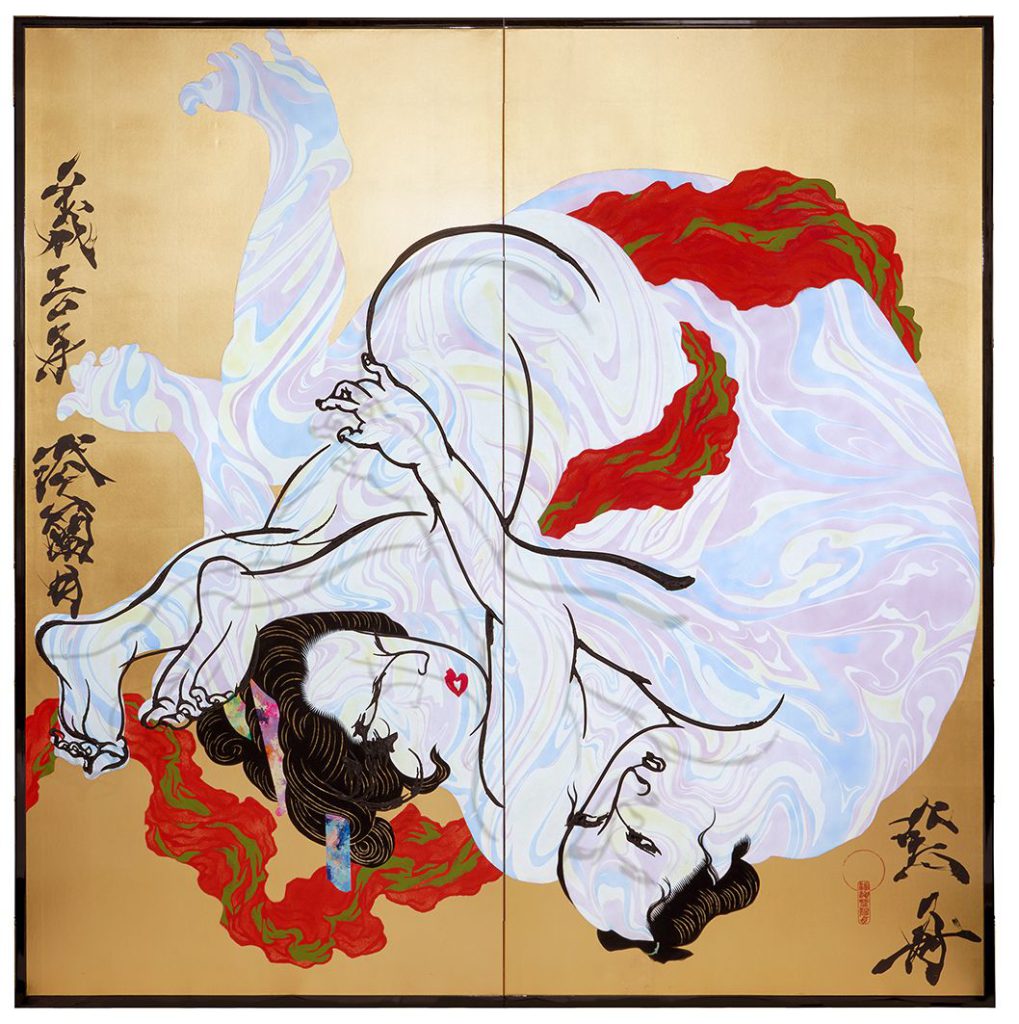
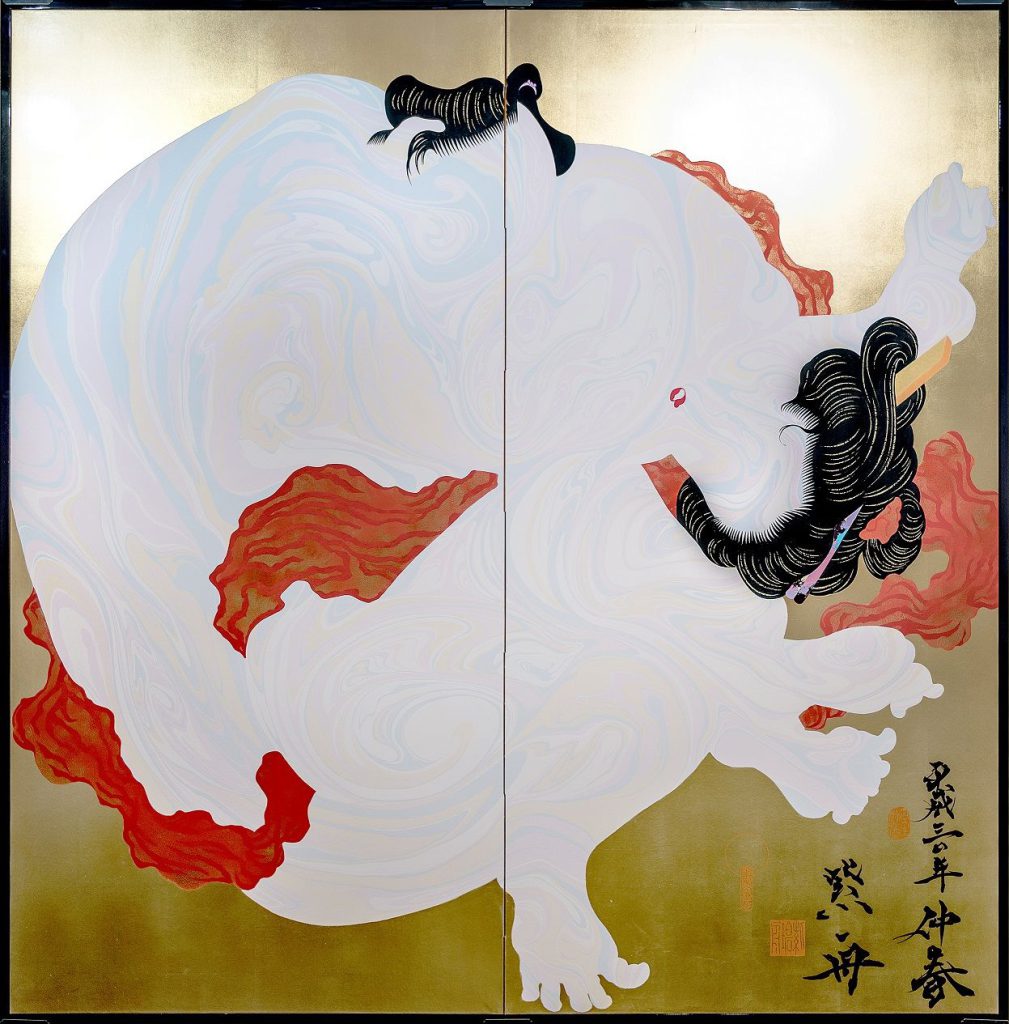
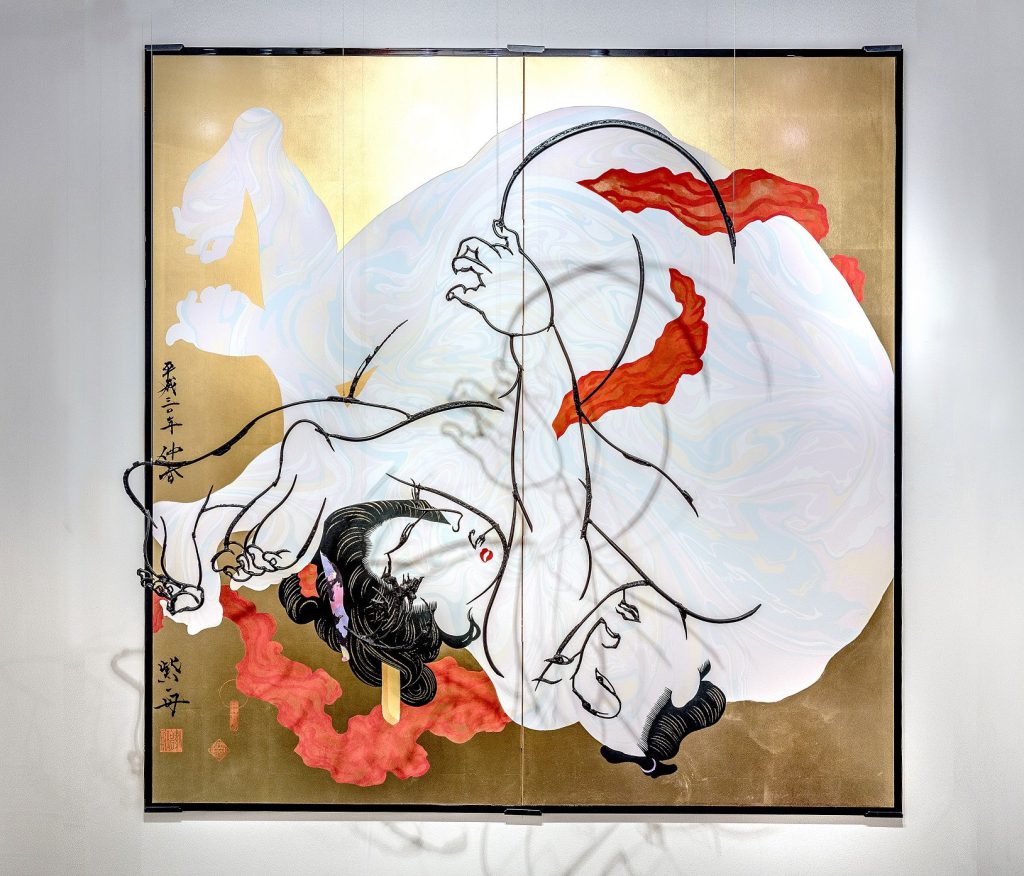
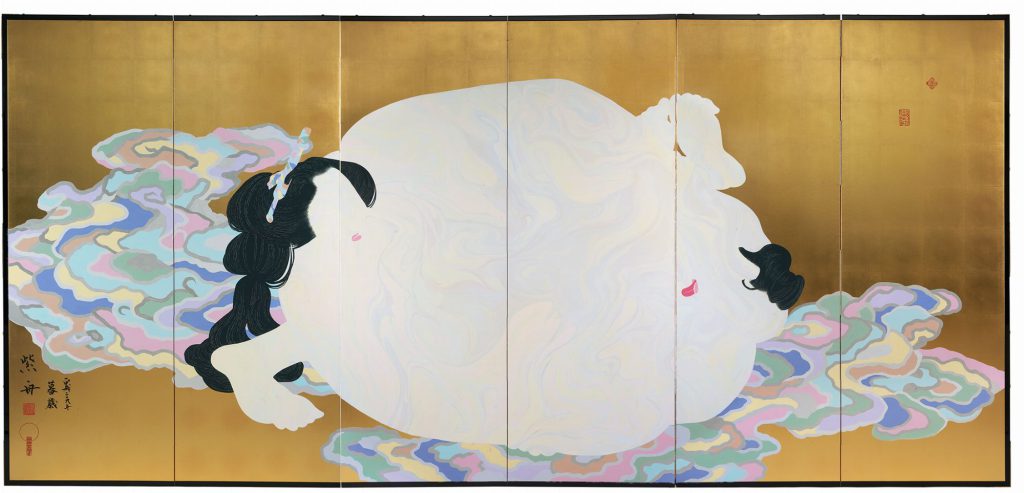
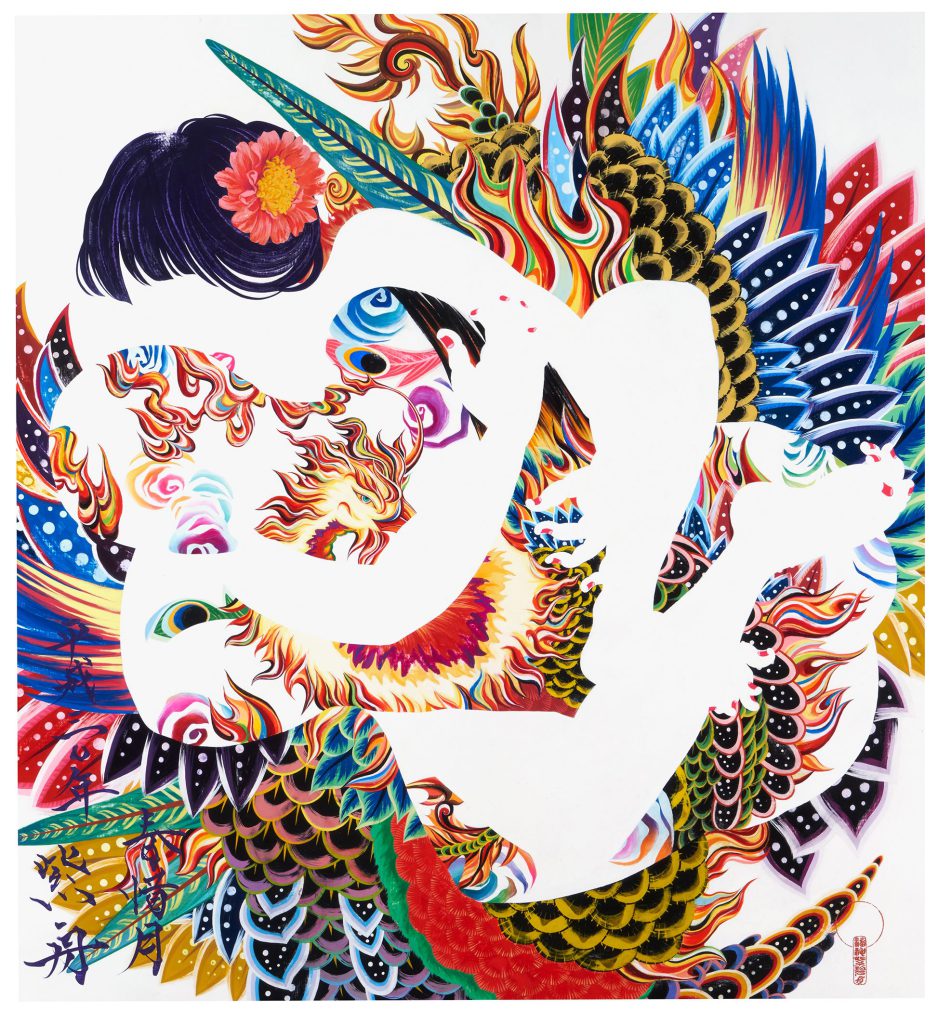
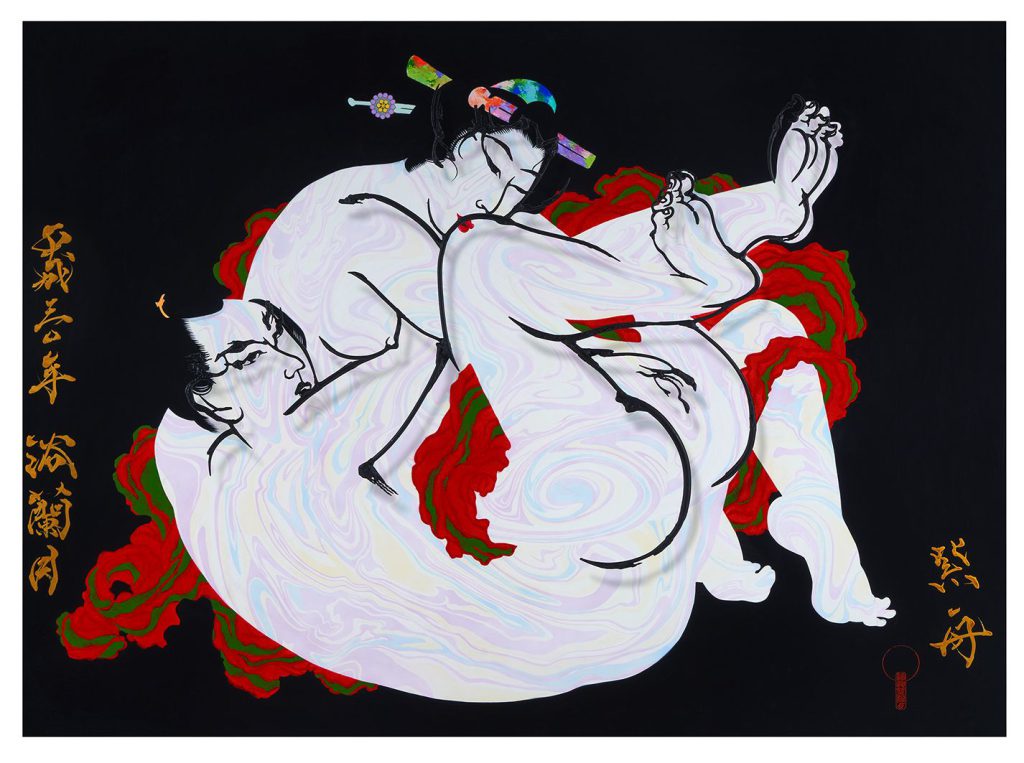
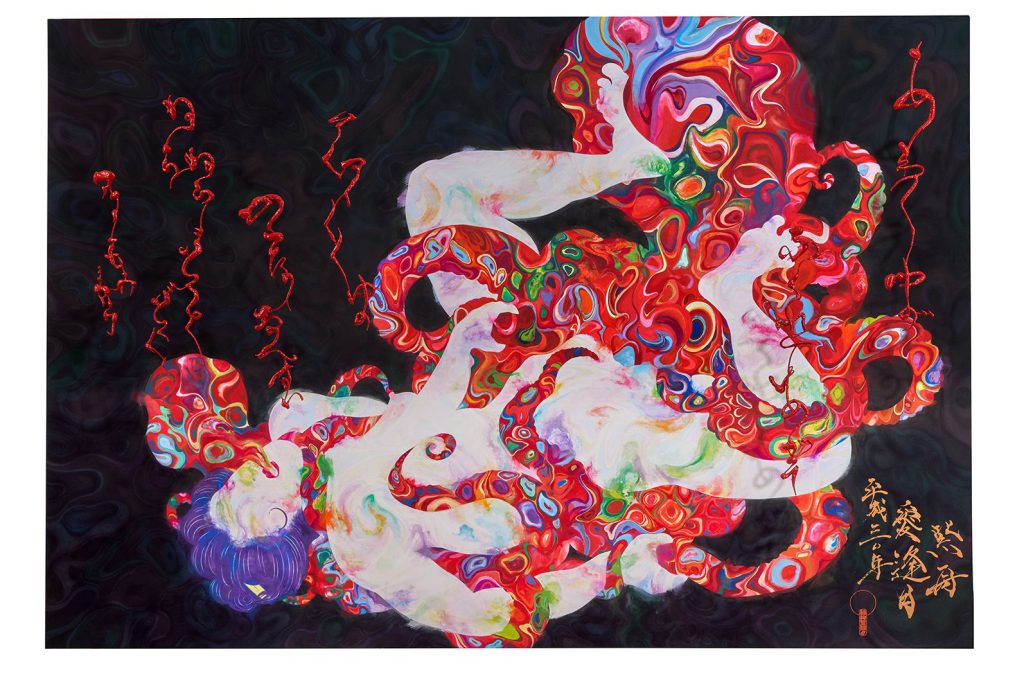
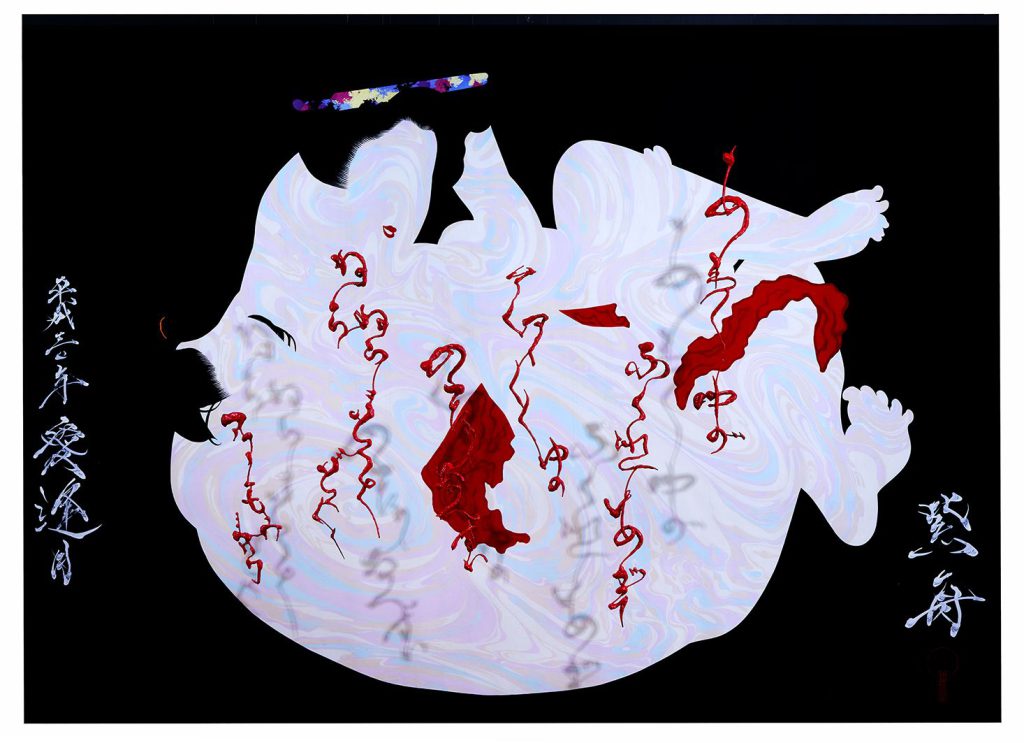
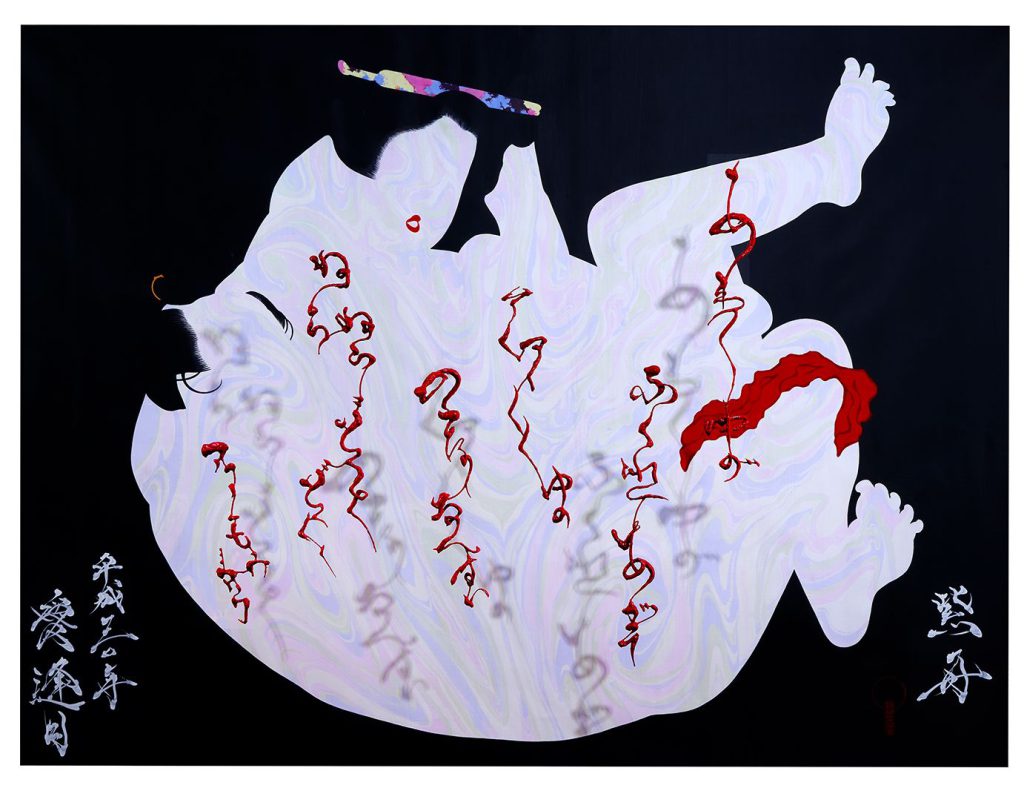
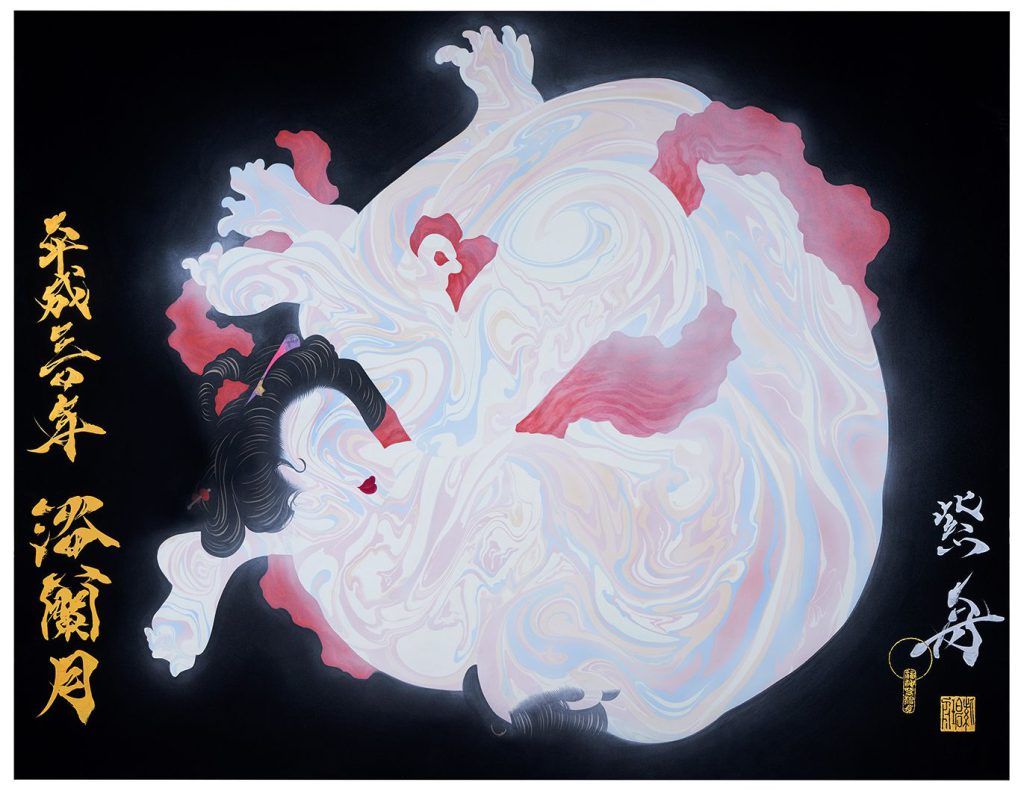
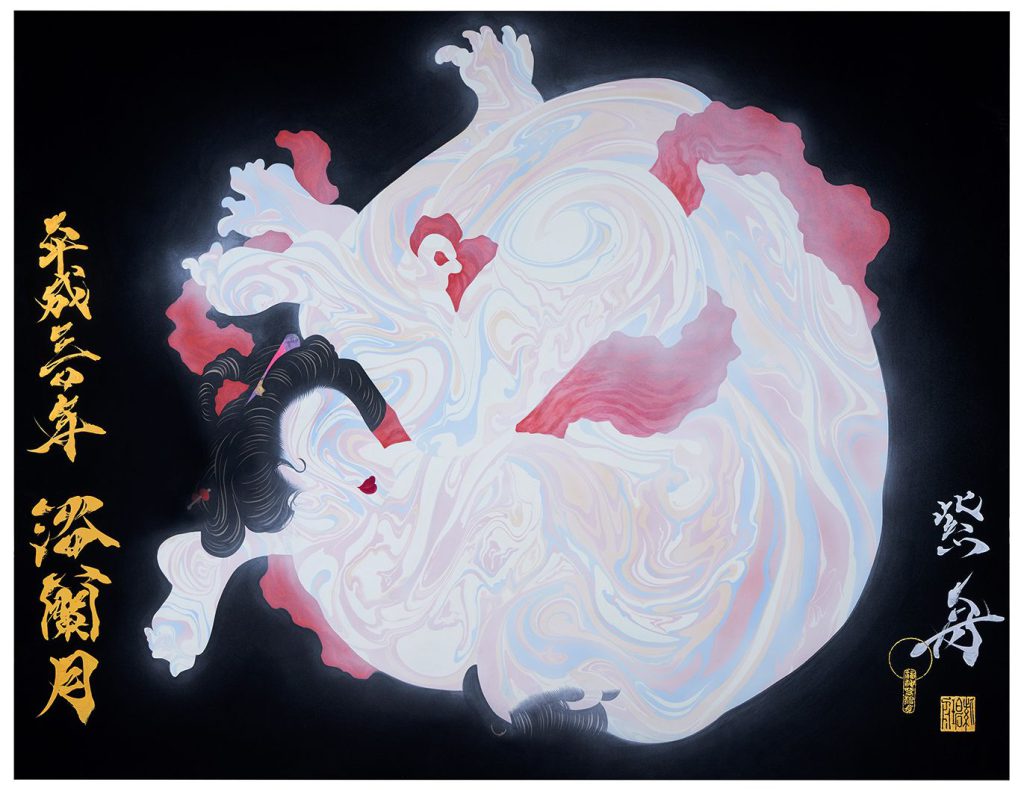
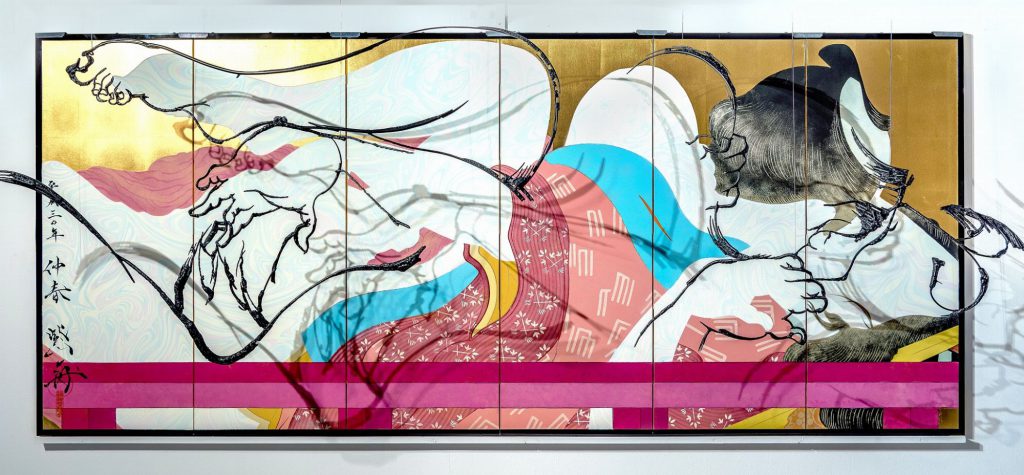
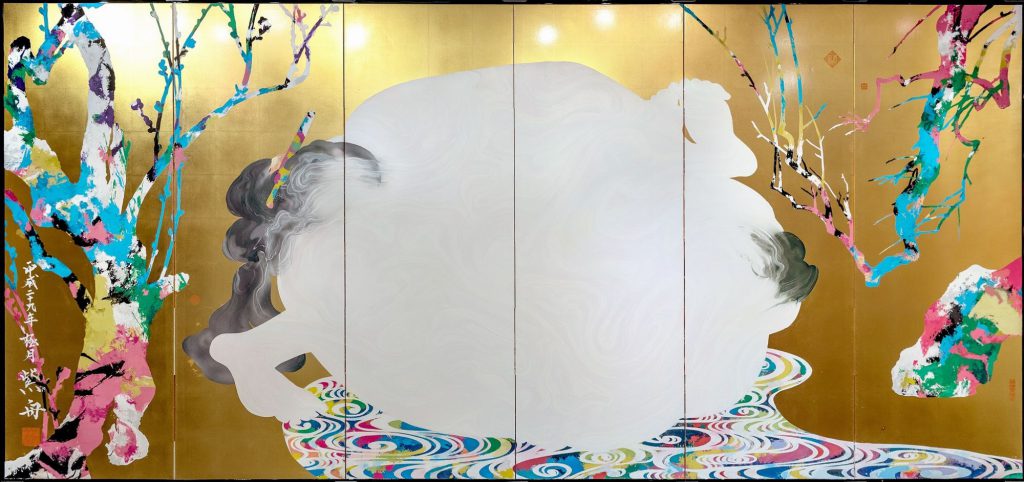
During the Edo period, shunga, a form of ukiyo-e, was widely enjoyed from ordinary townspeople to the upper classes and developed into a distinctive Japanese culture. In Shungu Higa, Sisyu frees the outlines of ukiyo-e from the plane, redrawing them as ink traces and reconstructing them as the contours of three-dimensional sculpture. Changes in viewing angle produce an effect resembling the misregistration of a woodblock print. Only from one particular point do painting and sculpture overlap, allowing a concealed image to emerge. Just as people in the Edo period enjoyed shunga in private, this device lets each viewer alone discover its hidden form. Since the modern era, expression in Japan has been constrained by debates over whether such work is obscene or artistic. Sisyu deliberately takes on this challenge with the aspiration that her generation can bring this long-running, unproductive debate to an end and pass on a free and richly creative environment to the next. Art plants seeds of doubt in accepted beliefs and conventions. It expands thought and offers new perspectives beyond what has been taken for granted. That moment is the essence of art and the reason artists exist.