WORKS

Find works

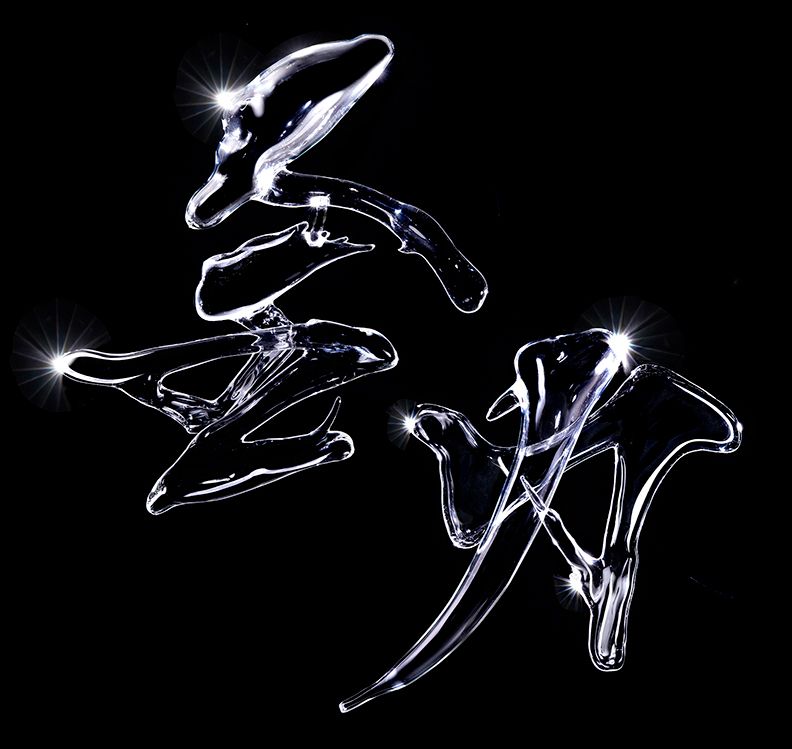
Three-dimensional Calligraphy

Sculptural Calligraphy

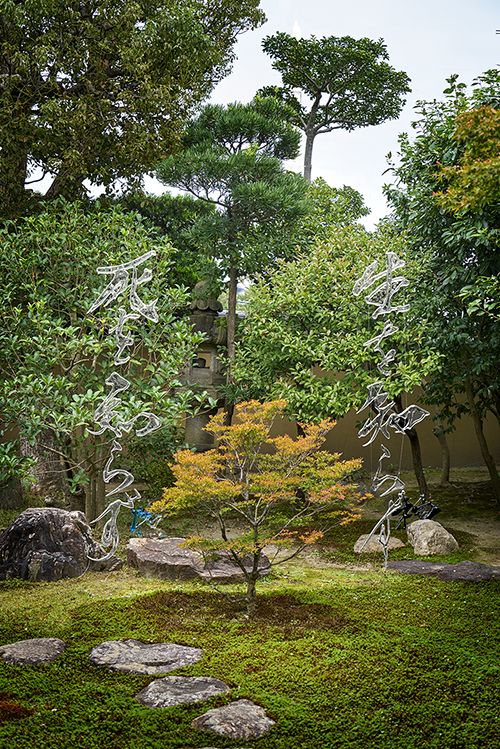
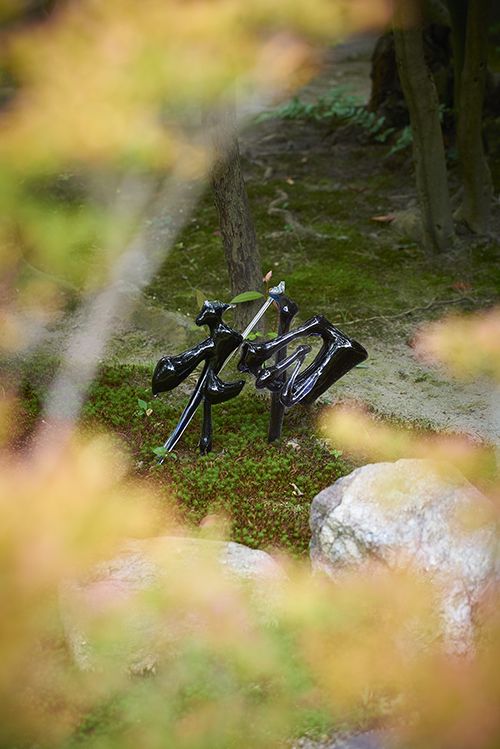
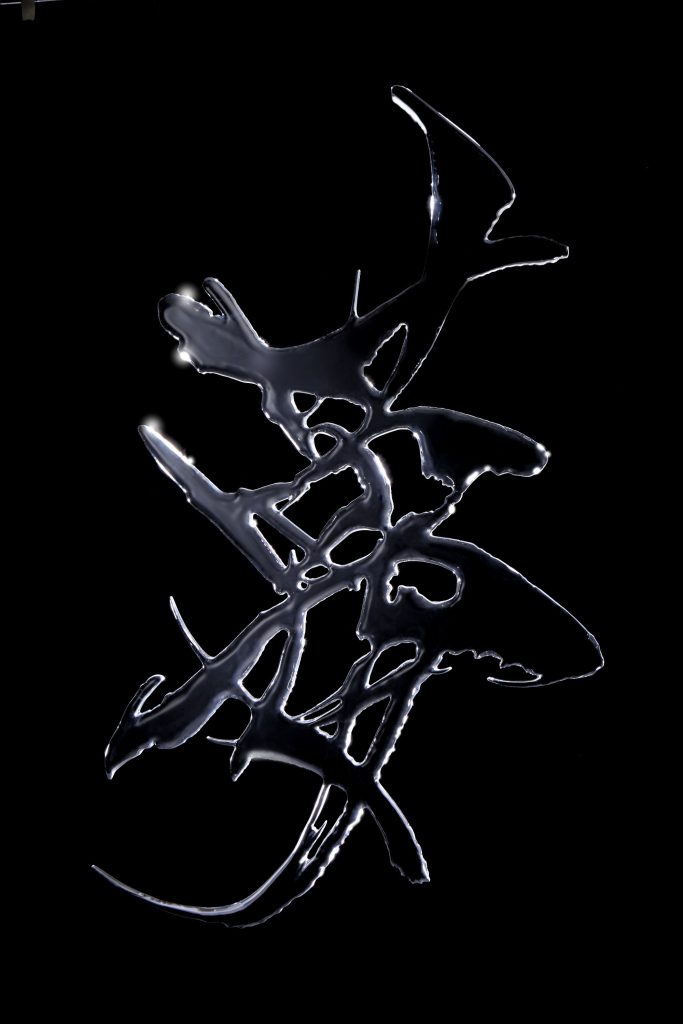
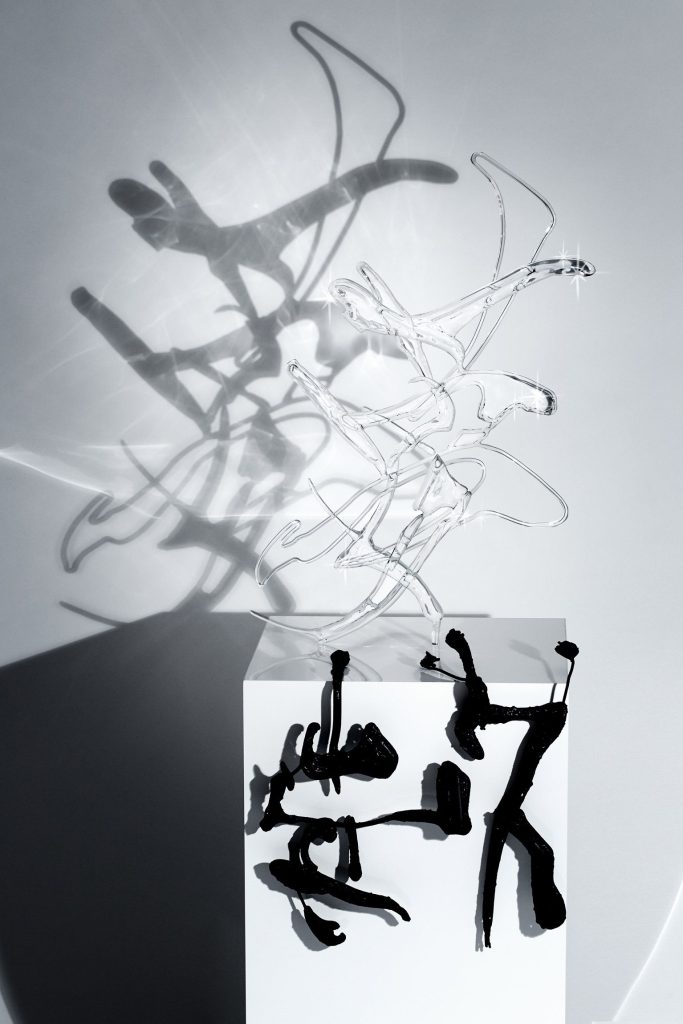
Sculptural Calligraphy frees characters from the plane and elevates them into three dimensions, overturning the assumption that writing is inherently flat. When light falls on a sculpture, its shadow becomes another central element of the work. As the angle of the light changes, the shadow shifts and moves, reflecting the meanings and emotions of the words. Tracing the origins of Chinese characters leads back to oracle-bone script, born some 3,300 years ago: characters carved into turtle shells and deer bones. Long before paper became widespread, characters were carved rather than written. In other words, they did not originate as writing on a flat surface. Writing began some 1,300 years later. By tracing this history back to its origins, Sisyu moves from the plane into three dimensions. Carrying forward the tradition of characters while transcending its conventions, she creates a new calligraphic art within the 1,300-year history of Japanese calligraphy.
Cubism in Calligraphy

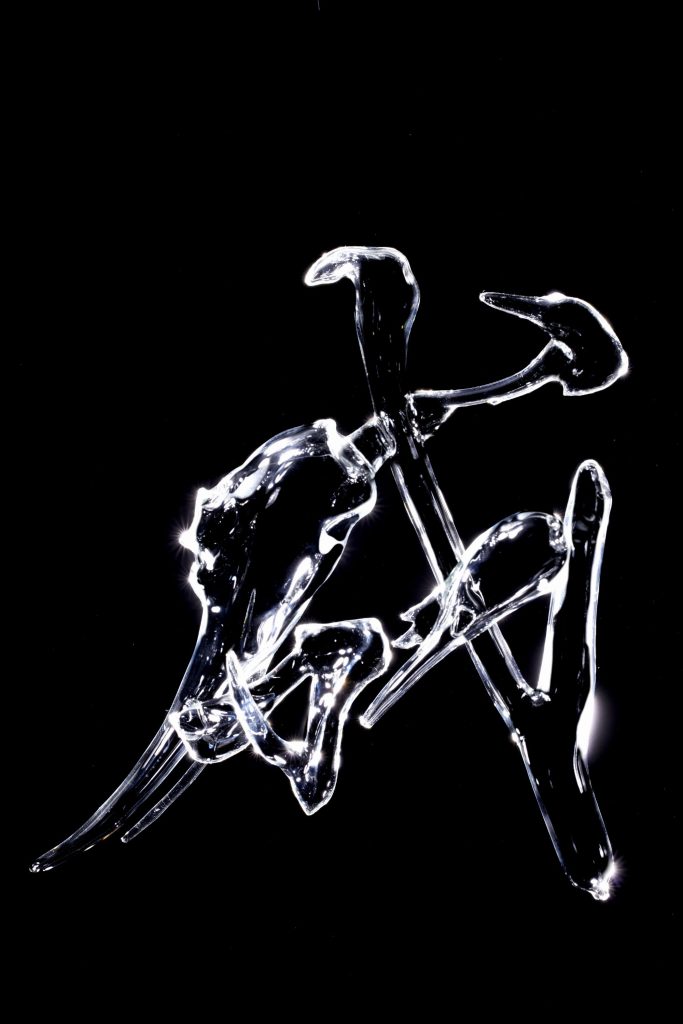
These works make visible, as three-dimensional sculpture, the flow, breath, rhythm, depth, and even the passage of time created when calligrapher and brush become one. Areas of stronger brush pressure recede deeper into the sculpture, while those where the brush lightly touches the paper come forward. A line drawn in a single stroke becomes one undulating sculptural form. Cubism in Calligraphy is a new means of expression that intuitively conveys the depth and brushwork of flat calligraphy, even to people unfamiliar with its culture. The traces of each moment of the brush are preserved forever in three dimensions. Viewers can retrace the time in which the calligrapher moved the brush, experiencing its breath and vitality again and again. A fleeting act of writing becomes art that can be contemplated for eternity.

Calligraphy of Light

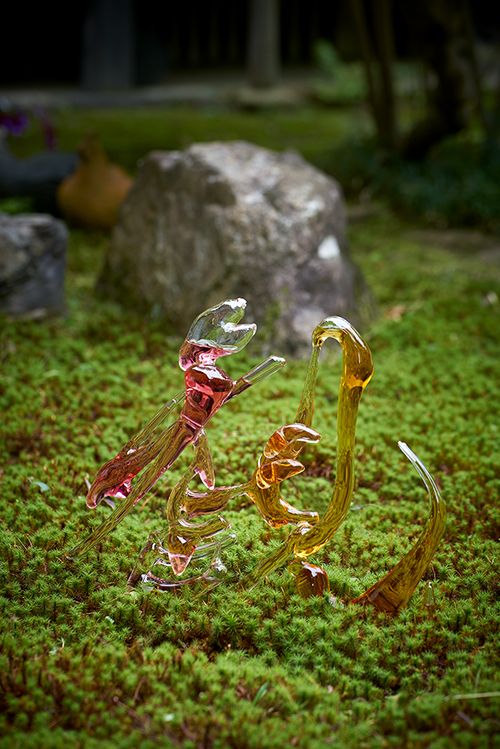
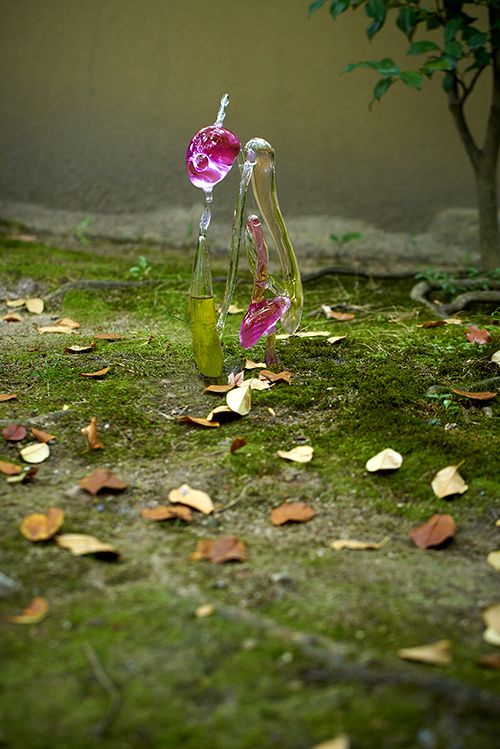
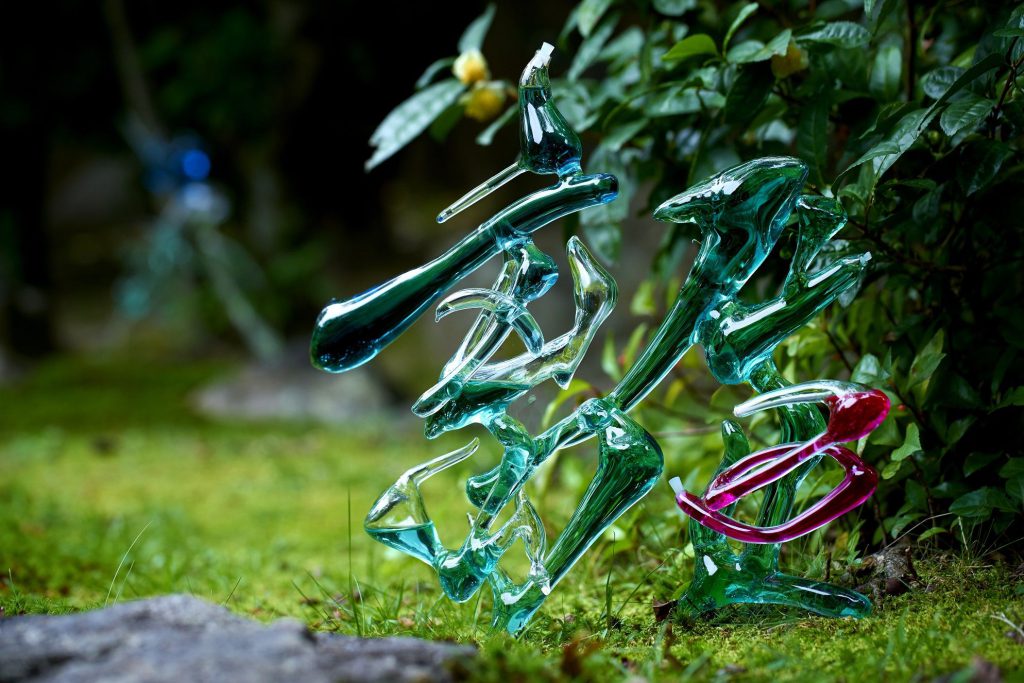
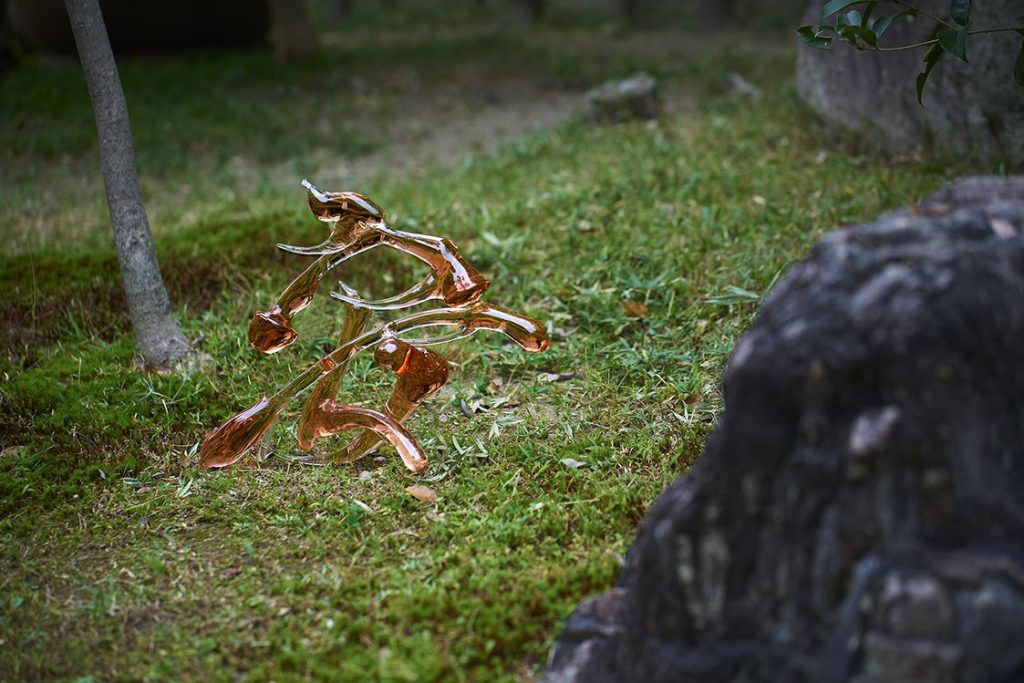
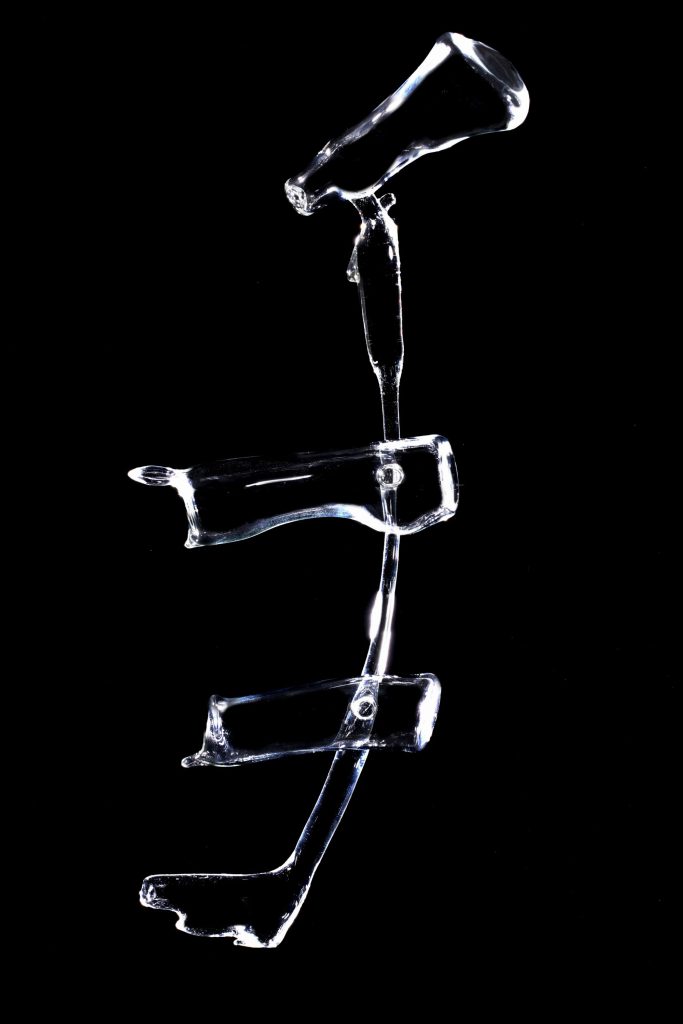
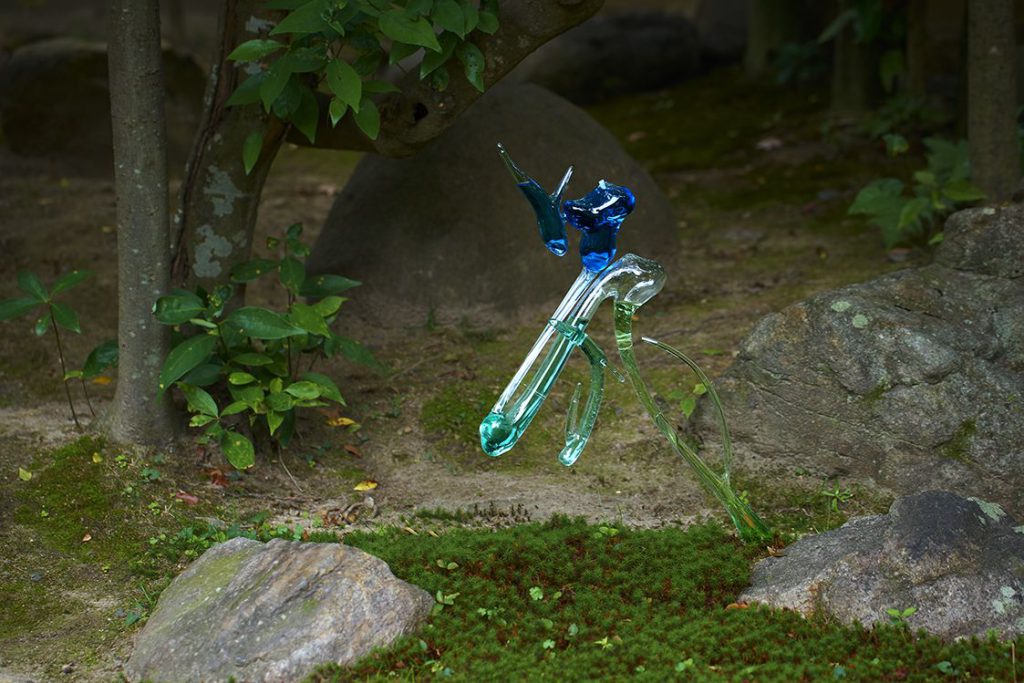
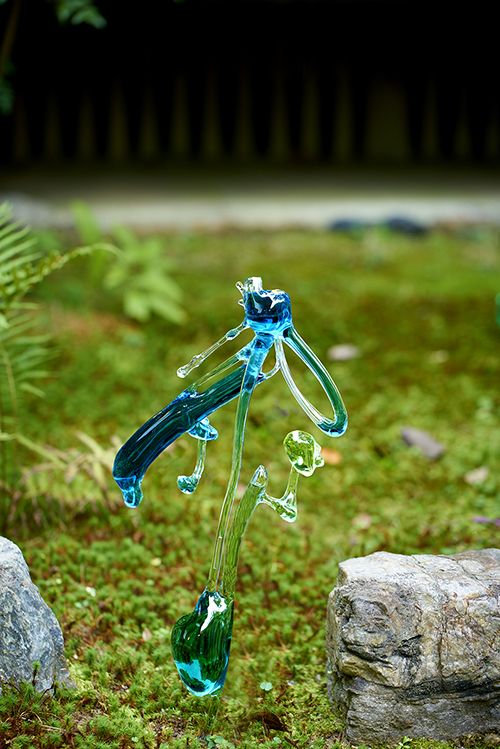
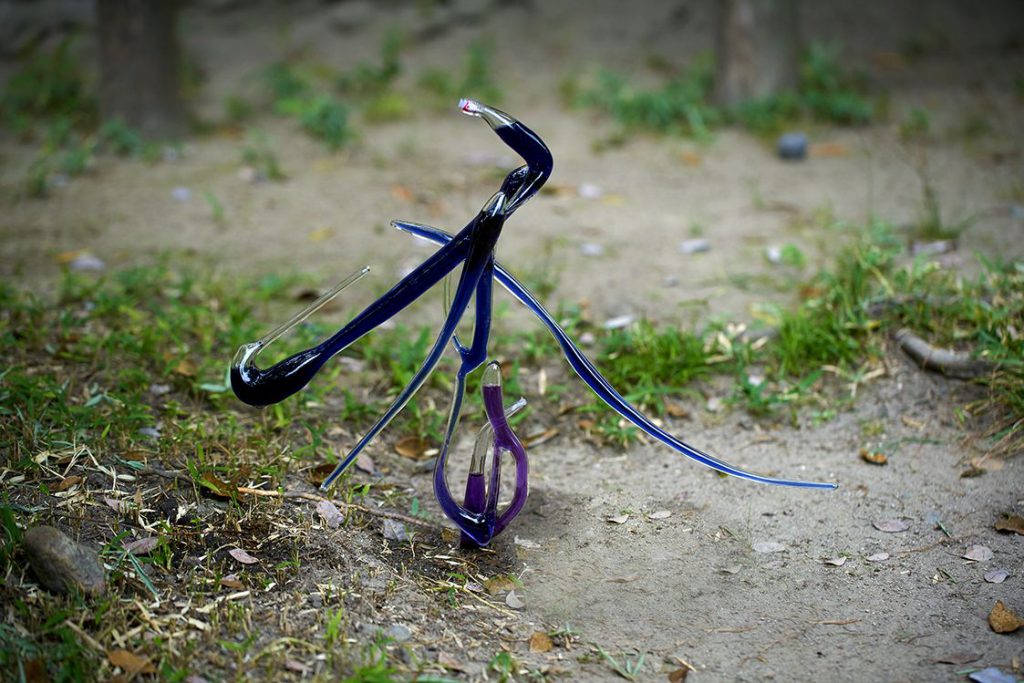
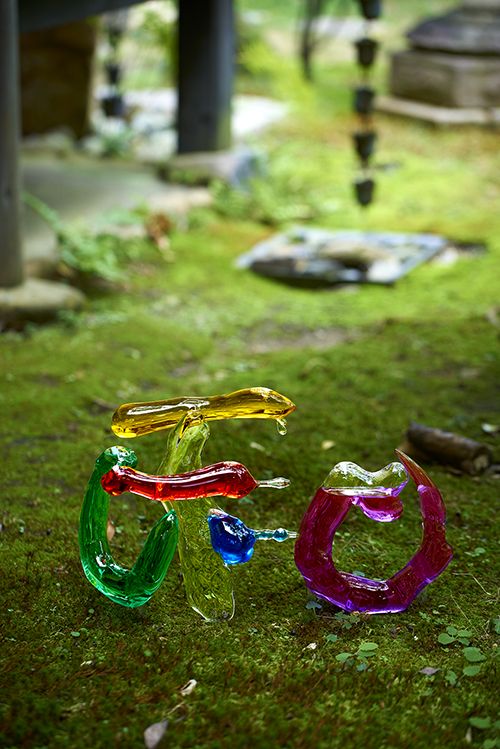
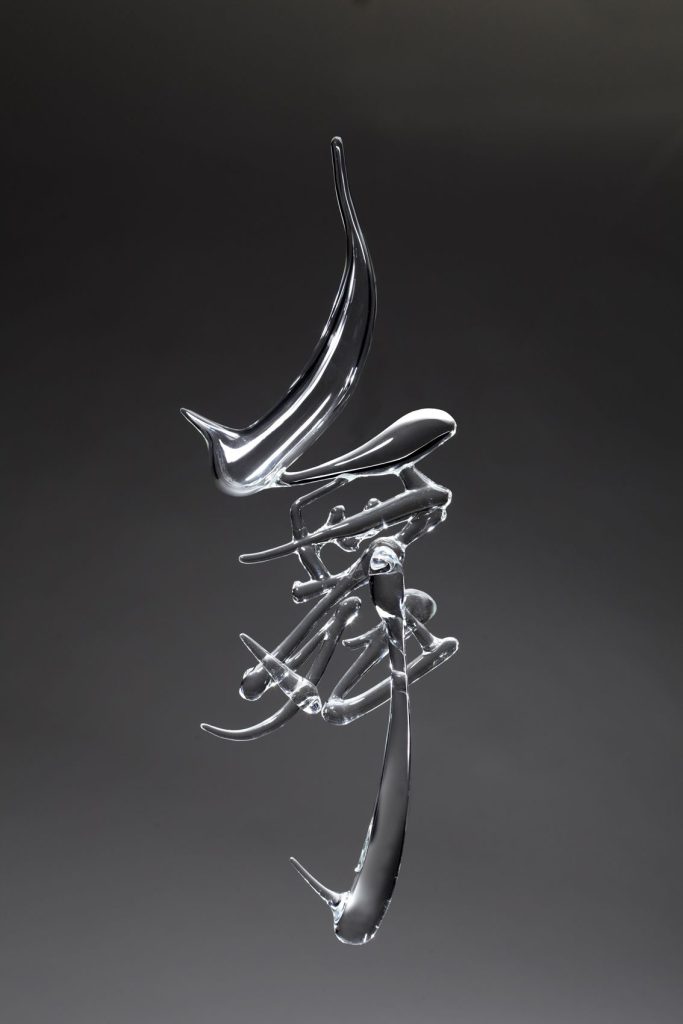
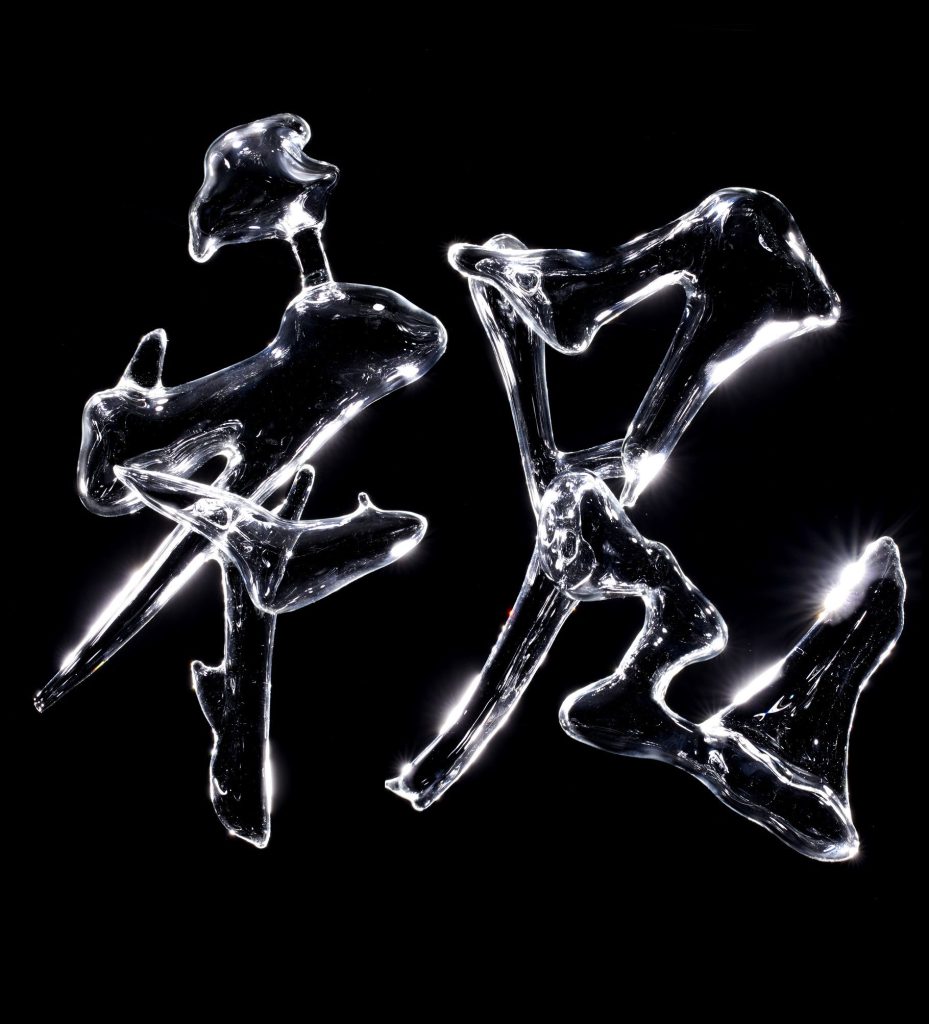
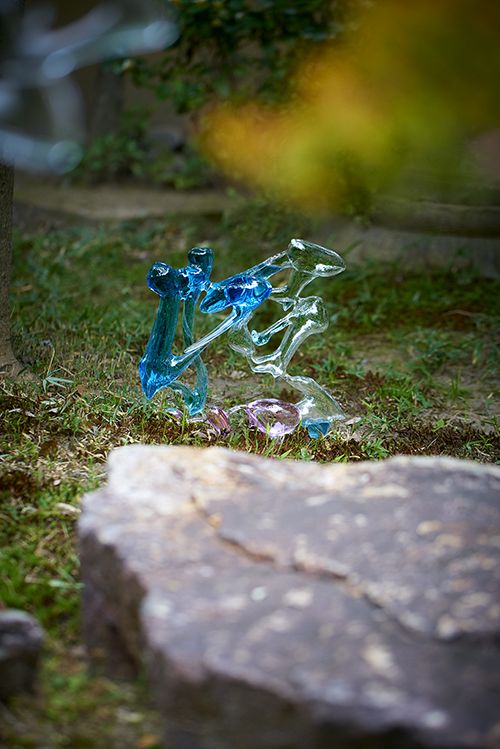
Calligraphy of Light gives writing three-dimensional form in glass and produces color through light. Transparent, hollow glass characters are filled with colored water. When illuminated, their shadows become vivid colors that appear and shimmer in the surrounding space. Rather than applying color to the characters themselves, color is generated by transmitting light through them. Their expression changes continually with the angle and intensity of the light, revealing different kinds of beauty over time. If traditional calligraphy fixes characters on paper with ink, Calligraphy of Light draws characters in space with light.